
Why Handmade Pieces Cost More (And Why They Are Worth It)
Why Handmade Pieces Cost More (And Why They’re Worth It)
Mass production is a miracle of the modern world — and it has made almost everything cheap. But something gets lost when every object comes off an assembly line identical to ten thousand before it. Handicrafts answer that loss, and understanding what you’re really paying for changes how you see the price tag.
Time Is the Raw Material
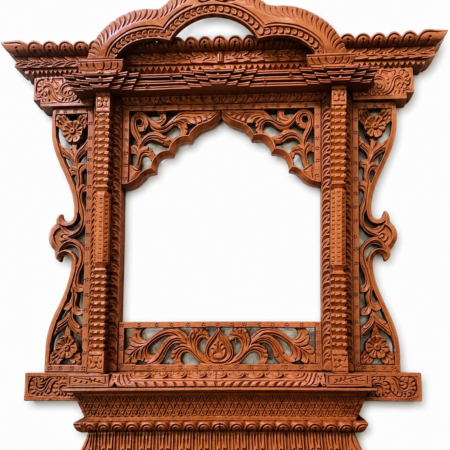
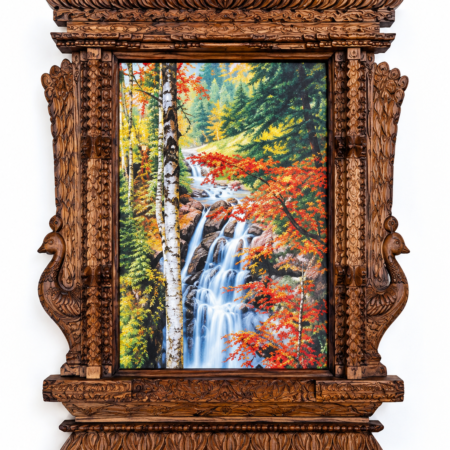
A handwoven basket might take two days. A carved wooden bowl, a week. When you buy handmade, the price reflects someone’s hours — skill developed over years, applied one piece at a time. There is no second shift, no economies of scale. That’s not inefficiency; it’s honesty about what objects cost when humans make them.
Variation Is the Signature
Machine-made perfection means every flaw is identical too. Handmade pieces carry small variations — a glaze pooling differently, grain shifting mid-carve. These aren’t defects. They’re proof a person made this one, and no other piece on earth matches it.
The Money Goes Where You Think It Does
In mass supply chains, the artisan’s share of your purchase price is often single-digit percent. Buying handicrafts directly from makers or small collectives inverts that ratio. Your purchase funds tools, materials, and a livelihood — not a marketing department.
Caring for Handmade Pieces
- Wood: hand wash, dry immediately, oil monthly with food-safe mineral oil
- Textiles: cold wash or spot clean; sunlight fades natural dyes
- Ceramics: thermal shock is the enemy — no freezer-to-oven moves
Start With One Piece
You don’t need to refurnish your home. Start with a single object you’ll touch daily — a mug, a tray, a wall hanging. Our Handicrafts collection grows as we find makers whose work we’d keep ourselves. Each listing tells you who made it and where.